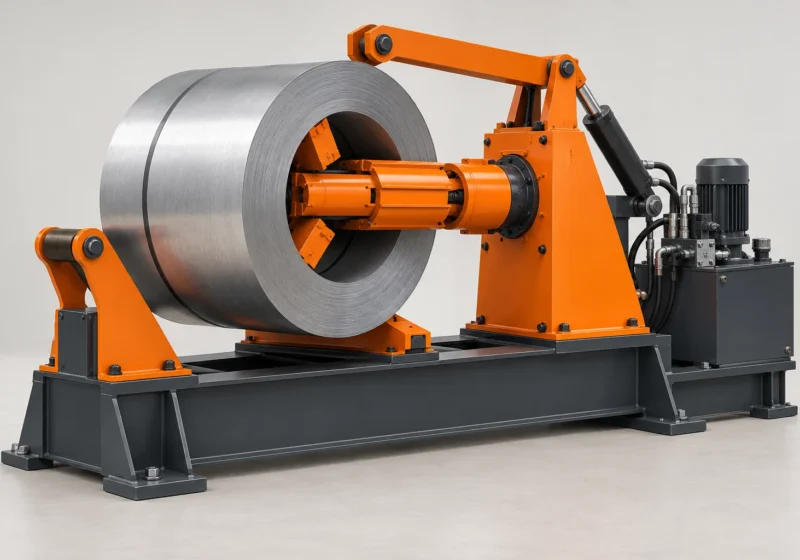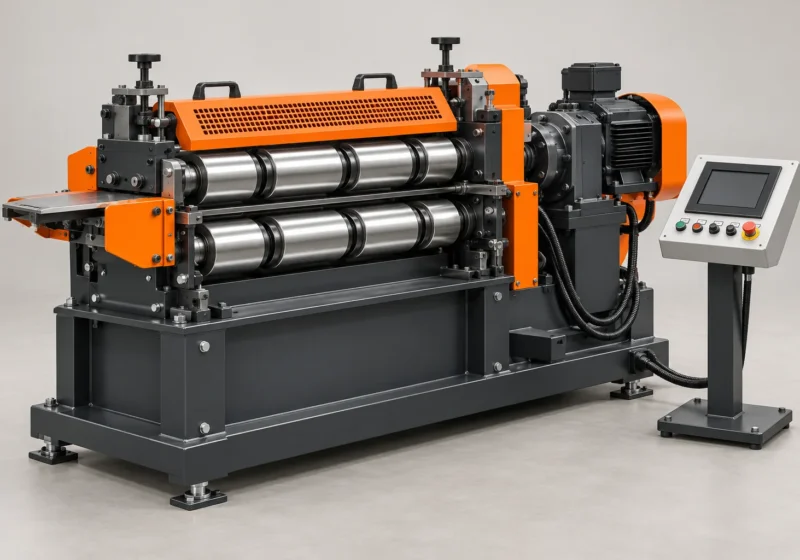
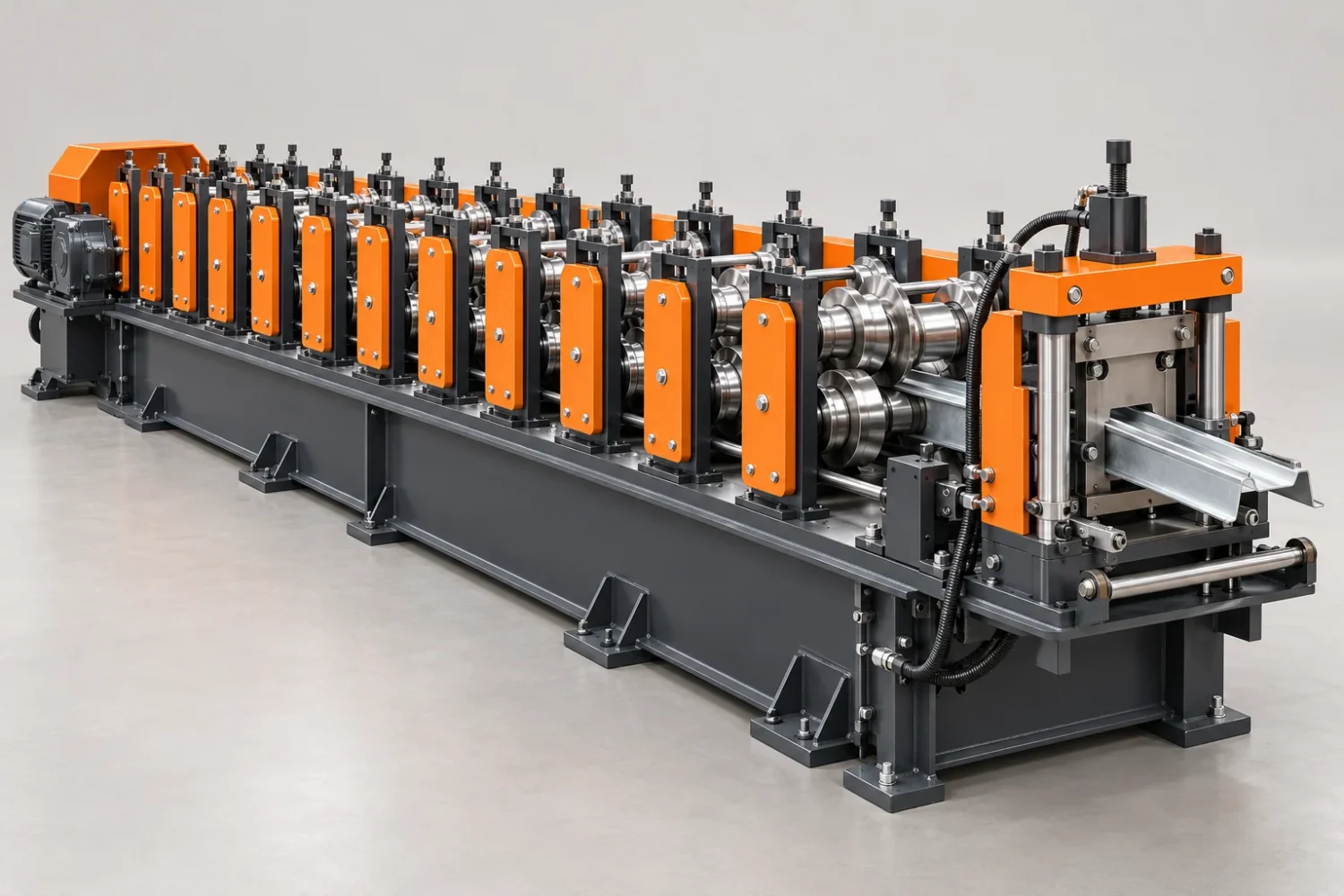
In roll forming, coil strip is progressively shaped through a series of roll stands. The result depends on more than the profile’s appearance. Material properties, section geometry and other operations within the line need to be considered together.
Identify functional dimensions
Provide the profile cross-section, product lengths and required tolerances. Do not assume every dimension is equally critical. Mark dimensions that affect assembly, joining or downstream processing. Include holes, slots and end features within the same drawing revision.
Describe the full material range
If the same section will be produced in different materials or thicknesses, share the complete operating range. Coatings and visible surface requirements also matter. A tooling approach considered suitable for one material does not automatically deliver the same result for all materials.
Explain the product family and changeovers
Will the line make one section or switch between related profiles? Document batch sizes and anticipated changeover frequency. The flexibility required can influence the tooling and line concept. Discuss the practical effect of product changes as well as theoretical running speed.
Include entry and exit operations
Coil loading, punching, cutting, exit handling and stacking form part of the overall flow. Prepare a simple layout that shows how these steps will work within the existing plant. Finally, define the acceptance sample, inspection method and limits of the technical scope in the quotation brief.